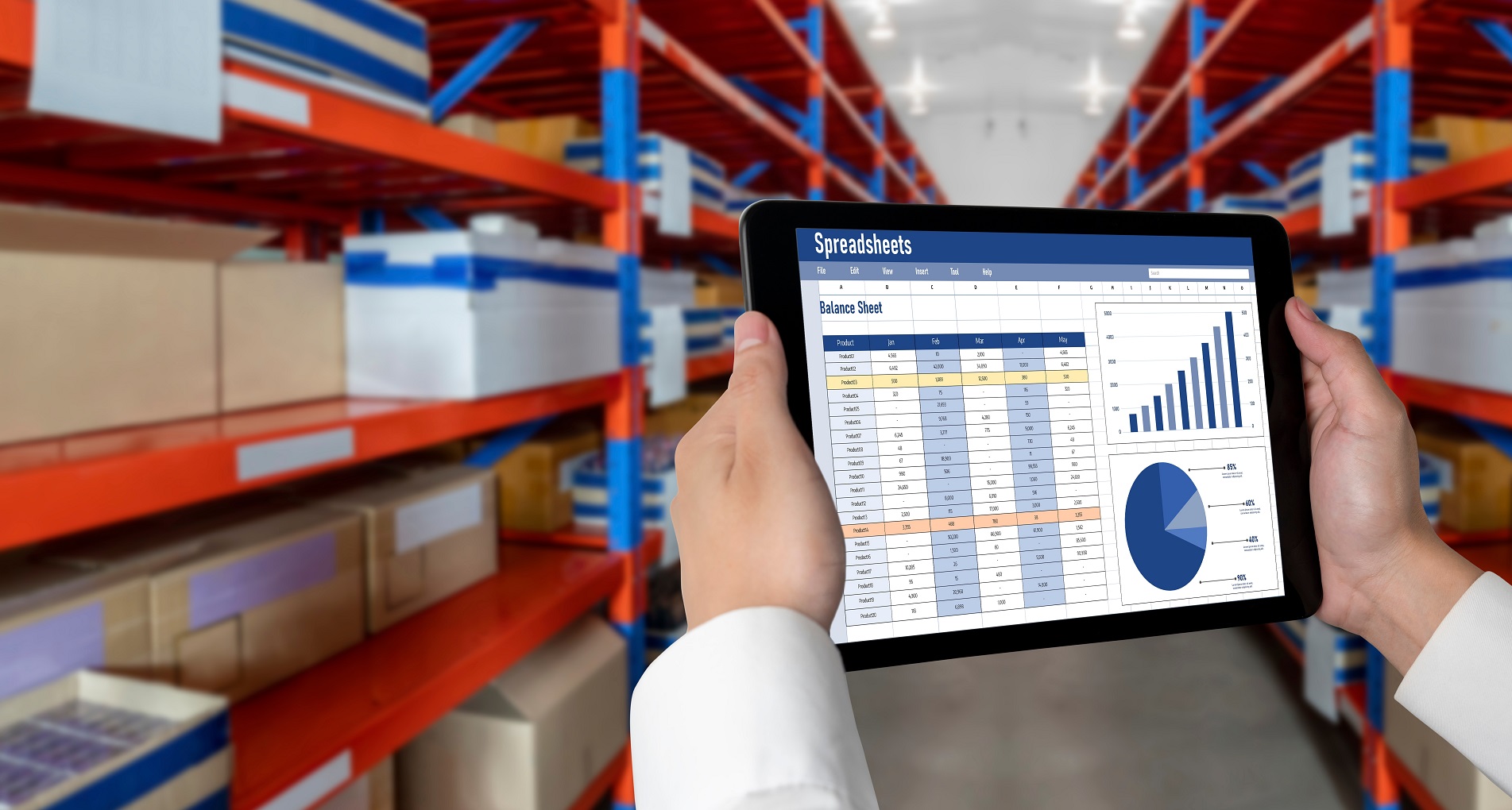
Is It Time to Replace the Spreadsheets?
Why are more and more businesses moving from legacy systems to smart web systems?
Many business owners - especially in factories, manufacturing companies, service companies, and established organizations - have been working for years with systems that have become an inseparable part of the routine: Excel files, Access databases, old desktop software, or internal systems built a decade or two ago.
Sometimes these systems keep on working, so it seems there is no real reason to replace them.
But the business reality of 2026 is very different from that of 10 to 20 years ago. The pace of work, the volume of data, the need to manage processes in real time, and the arrival of technologies like artificial intelligence (AI), automation, and integrations between systems are changing the rules of the game.
The real question is not whether the old system still works.
The question is whether it lets the business grow, become more efficient, and adapt itself to the digital age.
When the System Becomes a Bottleneck
In the early stages of a business, working with Excel or an Access system can be an excellent solution.
The problem begins as the business grows.
At that point, familiar signs start to appear:
- Multiple versions of the same Excel file
- Information scattered across different computers
- Lack of synchronization between departments
- Human error in data entry
- Difficulty producing complex reports
- No ability to see data in real time
- Dependence on one person who knows the system
- In factories, for example, this can mean: inefficient production planning, inventory errors, process delays, and difficulty understanding the state of the business in real time.
What Is a Smart Web System for Managing a Business
A modern web system is essentially a custom business management system that runs through the browser or an app, and brings all the business's information together in one place.
Instead of scattered Excel files or separate systems that do not talk to each other, the information is managed in an organized way in a single system connected to every part of the organization.

The System Can Manage, for Example:
Production Processes on the Factory Floor:
In many factories, production processes are still managed manually or with Excel files. A smart system can manage the entire production process, from work orders, through the production stages, all the way to quality control. This way, you can see at any moment what the state of production is, which tasks are in progress, and where there are delays or bottlenecks.
Customer Management (CRM)
A CRM system brings all the information about customers together in one place - contact details, purchase history, service inquiries, quotes, and communication with the customer. This way, all team members work with up-to-date information, and you can improve service and your understanding of customer needs.
Order Management
An order management system lets you track every order from the moment it comes in through delivery. The system connects the sales, production, warehouse, and logistics departments, so that everyone involved knows the status of the order and the expected timelines.
Project Management
Many organizations run several projects in parallel. A project management system lets you plan tasks, assign responsibility to employees, track progress, and spot delays in real time. This helps managers stay in control of complex processes and make sure the work is moving forward according to plan.
Inventory Management
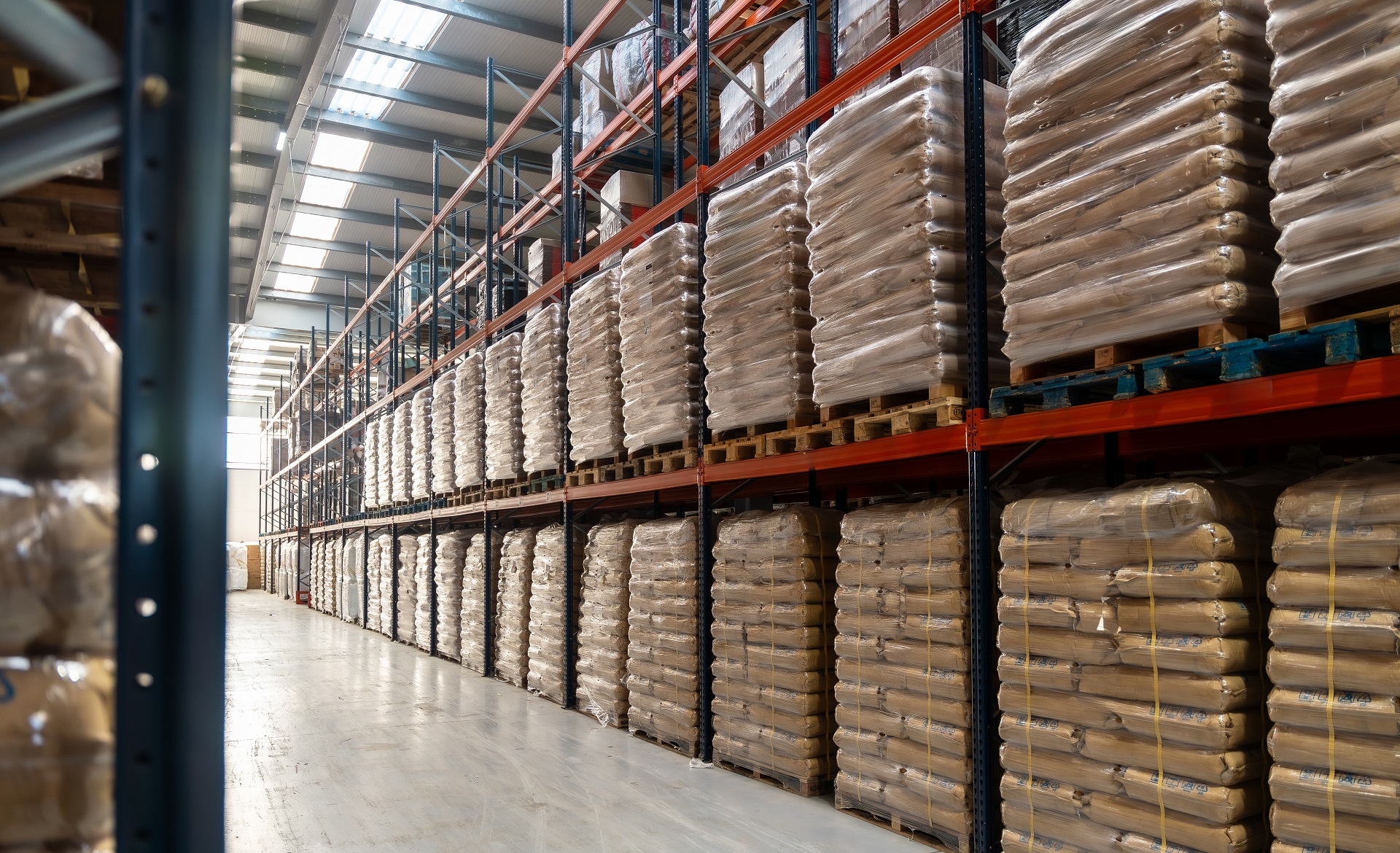
Accurate inventory management is especially critical in factories and manufacturing companies. An advanced system can track goods coming in and going out, spot inventory shortages, alert you to low stock levels, and provide an up-to-date snapshot at any moment.
Customer Service Management
A service system lets you log every customer inquiry, track how it is handled, and make sure the issue is resolved on time. It also lets you identify recurring inquiries and analyze data that helps improve both the service and the quality of the products.
Real-Time Business Reports
One of the most important capabilities of modern systems is producing reports and analyses in real time. Instead of gathering data from several different sources, you can get a clear picture of the business - sales, production, inventory, and performance.
Integration With Other Systems
A web system can connect to other systems in the organization, such as accounting, ERP systems, payment systems, or BI systems for data analysis. Connecting the systems enables an automatic flow of information and prevents duplicate work and manual data entry.

Common Mistakes of Businesses That Keep Working With Excel
Excel is an excellent tool, but when you use it as a central management system for a business, significant challenges sometimes arise.
Among the common mistakes you can find: building very complex systems inside Excel, dependence on one person who understands the file, lack of control over different versions of the file, difficulty protecting sensitive information, and more.
Over time, the files turn into a complex system that is hard to maintain, and sometimes even risky in terms of information management.
Off-the-Shelf System or Custom System?
One of the most common questions is whether to choose an off-the-shelf system or develop a custom system.
Off-the-shelf systems suit businesses whose work processes are relatively standard.
By contrast, when it comes to factories, companies with complex processes, or organizations with special requirements, it is often better to develop a custom system.
A system like this is built to match the way the business actually works, and so it can significantly improve organizational efficiency.
Integrating Artificial Intelligence Into Business Systems
One of the fields advancing fast in 2026 is the integration of AI into business management systems.
Modern systems can incorporate capabilities such as:
- Automatic data analysis
- Identifying business trends
- Sales or production forecasts
- Detecting anomalies in processes
- Automating repetitive tasks
For example, in a manufacturing plant you can use AI to spot bottlenecks on production lines, anticipate demand, or optimize inventory management.
The system becomes not just a tool that manages information, but a tool that helps you understand the business better.
Developing Dedicated Apps for Businesses
Beyond central management systems, many businesses today also use dedicated apps for specific processes.
Such apps can include, for example:
- Apps for managing field employees
- Production management systems
- Customer portals
- Service management apps
- Systems for managing complex projects
These apps let employees work conveniently from mobile or out in the field, and stay connected to the business's information at any moment.
OLSI Systems: Developing Software Solutions for Businesses
OLSI Systems specializes in developing advanced software solutions for businesses and organizations.
The company develops custom software systems for a wide range of fields, including:
Factories and industry, service companies, businesses with complex information systems, organizations looking to move from legacy systems to modern ones, and a wide variety of other business types.
Our company's approach is to first understand the organization's business processes, and only then develop a system that fits the real needs of the business.
This makes it possible to create solutions that enable more efficient management, better control over data, and the ability to grow over time.
In Summary,
Legacy systems like Excel and Access have served many businesses for years, and sometimes still do a good job.
But in an era where information, automation, and artificial intelligence are an inseparable part of running a business, more and more companies understand that the system is not just a work tool, but the infrastructure that shapes the organization's ability to grow.
A smart web system, tailored to the company's business processes, can make the business's information far more accessible, accurate, and useful.
Do you also want to upgrade and streamline your business?
Leave your details and we will get back to you or call us at 09-8820511